


Bhagavad Gita: Chapter 2, Verse 26
Bhagavad Gita: Chapter 2, Verse 26

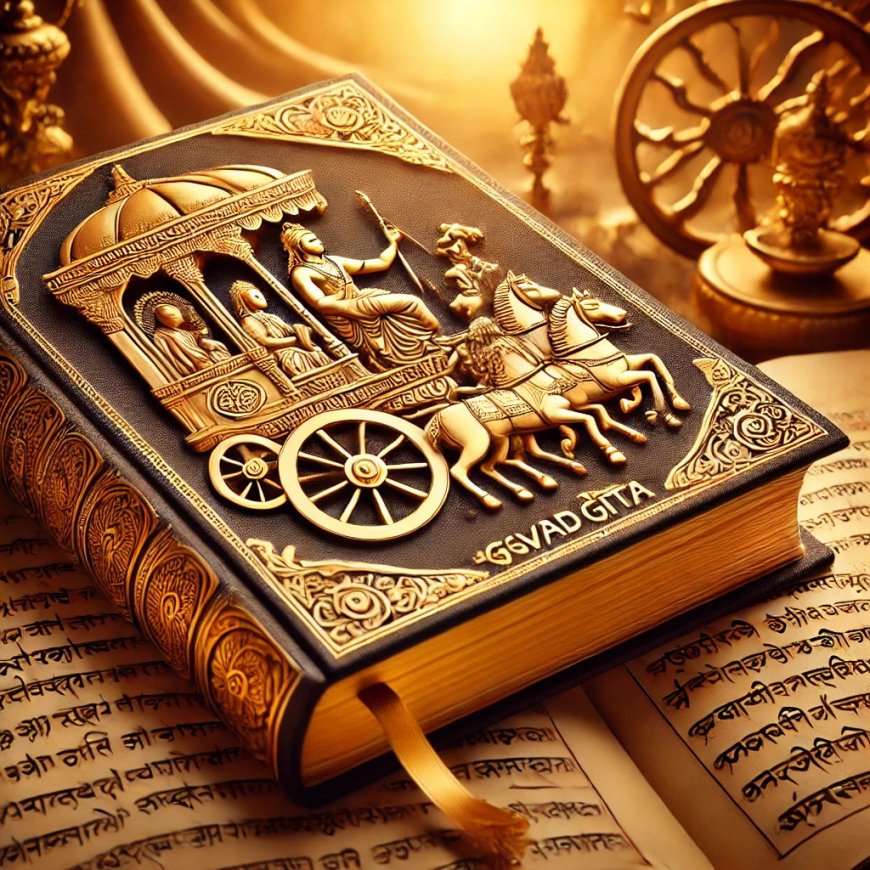
Bhagavad Gita: Chapter 2, Verse 26
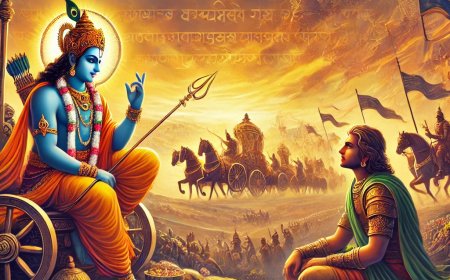
अथ चैनं नित्यजातं नित्यं वा मन्यसे मृतम् ।
तथापि त्वं महाबाहो न एवम् शोचितुमर्हसि ॥
Translation:
If you, however, believe that the soul is perpetually born and perpetually dies, even then, O mighty-armed one, you should not grieve.
Explanation:
Consider a seed planted in the soil. It transforms and grows into a sprout, which gradually develops into a tree. If we observe closely, the seed never remains in the same state. It abandons its hard form to become soft, then transforms into a sprout, and eventually becomes a tree. Over time, the tree withers away. This constant transformation means the seed is neither static nor immutable—it is continually "dying" in one form to "be born" in another.
Similarly, the human body undergoes ceaseless changes. From a microscopic being, formed by the union of sperm and egg, it develops into an embryo, then a baby, and is finally born. After birth, it grows, matures, declines, and ultimately perishes. The body, like the seed, is never the same for even a moment—it constantly undergoes cycles of birth and death in every instant.
A Parallel in Poetry:
A quatrain by Omar Khayyam, beautifully encapsulates this idea:
The moving finger writes; and having writ, moves on:
Nor all thy piety nor wit shall lure it back to cancel half a line,
Nor all thy tears wash a word of it.
This quatrain emphasizes the inevitability of life’s progression and the futility of grieving over what is transient and ever-changing.


What's Your Reaction?