
Bhagavad Gita: Chapter 2, Verse ( Shloka ) 20
Bhagavad Gita: Chapter 2, Verse ( Shloka ) 20

Bhagavad Gita: Chapter 2, Verse ( Shloka ) 20
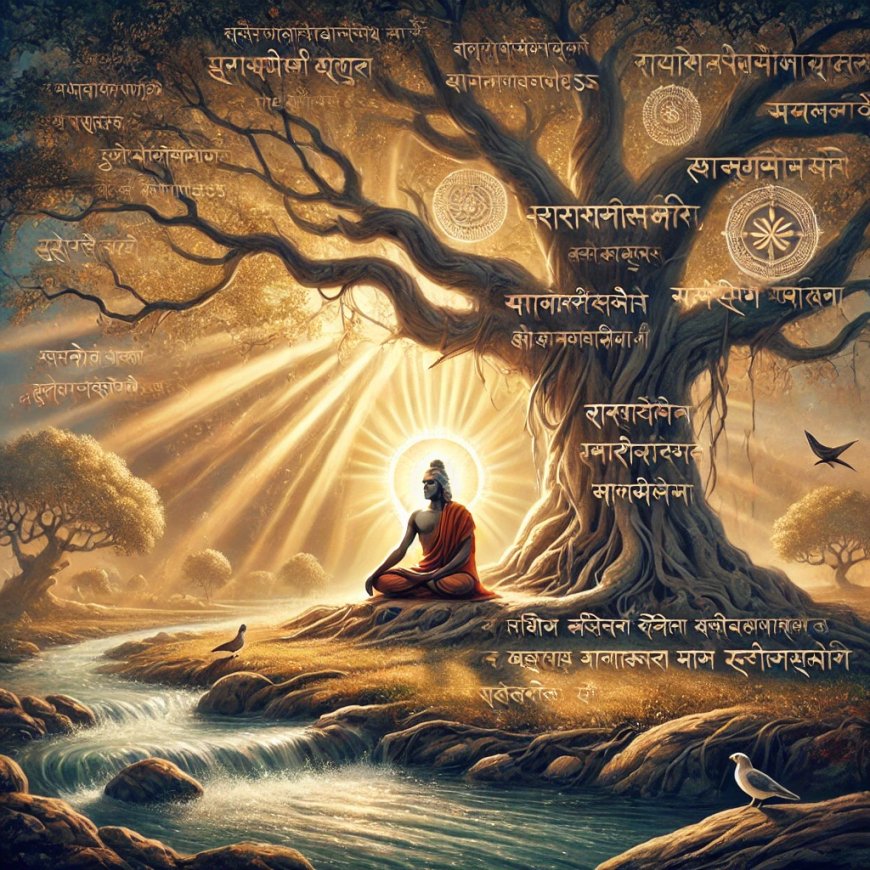
न जायते म्रियते वा कदाचिन्नायं भूत्वा भविता वा न भूयः।
अजो नित्यः शाश्वतोऽयं पुराणो न हन्यते हन्यमाने शरीरे ॥
Transliteration:
Na jāyate mriyate vā kadāchin
Nāyaṁ bhūtvā bhavitā vā na bhūyaḥ,
Ajo nityaḥ śāśvato’yam purāṇo
Na hanyate hanyamāne śarīre.
Translation:
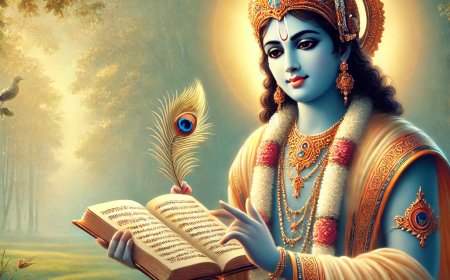
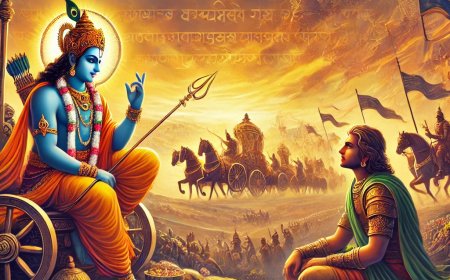
This Self is neither born nor does it die. Having once come into existence, it never ceases to be. It is birthless, eternal, changeless, and ancient. It is not slain when the body is killed.
Explanation:
The body undergoes six transformations: birth, existence, growth, transformation, decline, and eventual destruction. Out of these, birth (jāyate) and death (mriyate) are the most significant. To emphasize the imperishable nature of the Self, Lord Krishna negates these transformations not once but twice. He states that the Self is ajaha (unborn) and na hanyate hanyamāne śarīre (it is not slain even when the body is destroyed).
These changes—birth, growth, and decay—are exclusive to the body. The Self remains unchanging and eternal, untouched by the transience of the physical realm. Just as the body diminishes with age, the Self within remains unaffected by decay or death.
A Deeper Understanding:
The human body consists of various organs such as eyes, nose, hands, and feet, which remain relatively stable. However, bodily excretions like waste, phlegm, and other impurities are not considered intrinsic parts of the body. In the same way, the ever-changing body cannot be regarded as an intrinsic part of the Self. The body is transient and constantly flowing toward death, while the Self is eternal and unchanging.
The Self is not attached to the body; rather, the body is attached to the Self. Over time, the body deteriorates and eventually separates from the Self.
The Three Types of Bodies:
1. Physical Body (Stool Sharira):
Composed of the five great elements (pancha mahabhutas), it is formed from the food consumed by living beings. Upon death, it returns to the earth.
2. Subtle Body (Sukshma Sharira):
This body carries karma, impressions, and destiny (prarabdha), and it transitions into a new life upon death.
3. Causal Body (Karana Sharira):
This body merges with its ultimate source—the Supreme Being (Paramatma).
In essence, the Self transcends the body, unaffected by its impermanence and boundless in its nature. It is eternal, unchanging, and ultimately one with the divine.

What's Your Reaction?